Most homeowners never think about the sewer lateral until something backs up. By then the problem has usually been building for months, sometimes years, out of sight beneath the yard.
A camera puts eyes on that pipe. The question is how often that is actually worth doing, and which situations make it urgent rather than optional.
What a Camera Actually Shows You
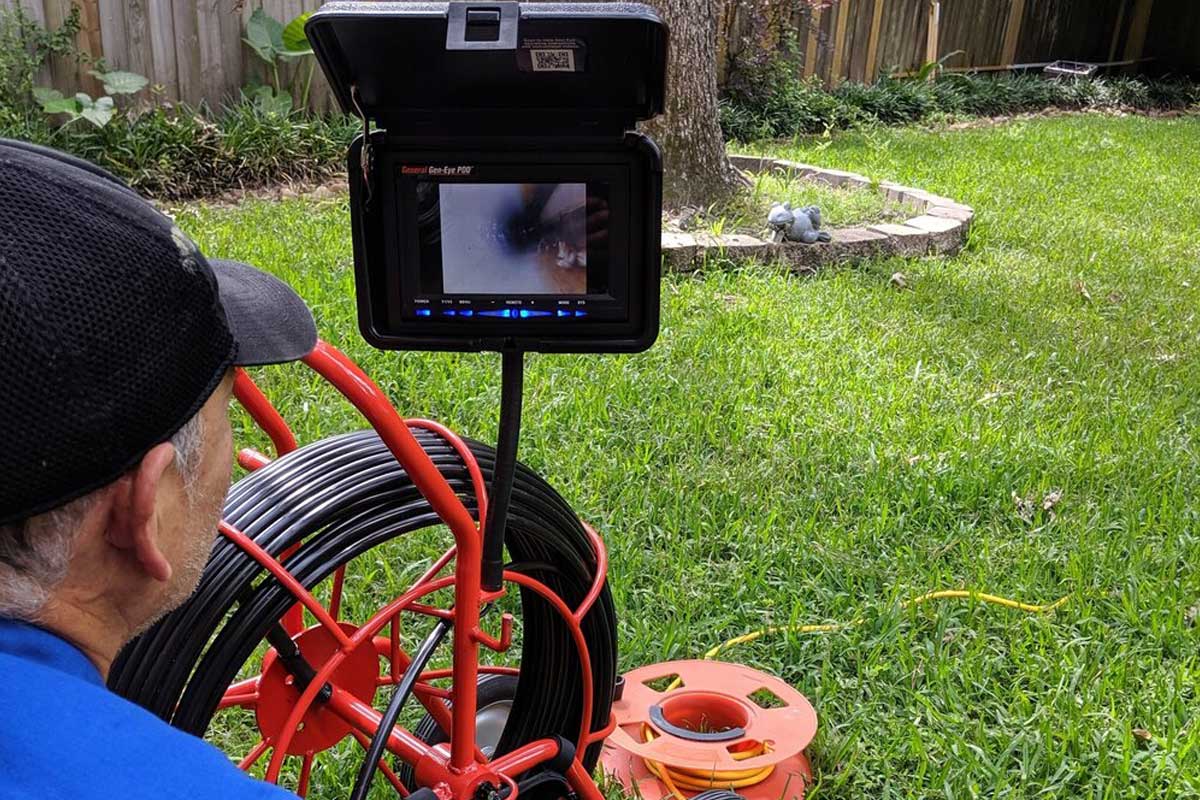
A sewer camera inspection sends a waterproof camera head through the cleanout and down the length of the lateral. A monitor displays the pipe interior in real time while the footage records.
You see root intrusion at joints, hairline cracks, grease buildup, standing water where the pipe has sagged, and any point where sections have shifted apart. Depth and location get marked from the surface as the camera travels.
A Reasonable Schedule for Most Homes
For a home with no history of drainage trouble, every eighteen months to two years is a sensible interval. That spacing catches root growth and buildup while both are still easy to clear.
Older properties deserve tighter spacing. Clay, cast iron, and Orangeburg laterals common in homes built before 1970 shift and degrade faster, and annual checks make sense once a line passes fifty years of service.
Trees Change the Math
Mature trees near the sewer run push the interval down regardless of pipe age. Roots seek moisture at pipe joints and can reduce flow capacity noticeably within a single growing season.
Homes with large trees over or beside the lateral benefit from yearly sewer line inspection, since a small intrusion cleared early rarely becomes a replacement.
Signs You Need a Sewer Camera Inspection Now
Repeated clogs in the same fixture point to something structural rather than a one time blockage. When snaking clears the line and the problem returns within weeks, the cause sits deeper.
Multiple drains slowing at once is a stronger signal, because it suggests the shared line rather than individual fixtures. Gurgling toilets, water backing into a tub when the washer drains, and sewage odor near a floor drain all belong in this category.
Yard Clues Worth Taking Seriously
A patch of grass that stays greener or soggier than the rest often sits directly above a leaking line. Sinkholes, soft spots, and unexplained settling in a driveway follow the same logic.
These signs mean wastewater is escaping into the soil. A drain camera inspection confirms the location before anyone starts digging on a guess.
Sewer Inspection Before Buying a Home
A standard home inspection does not include the sewer lateral. The inspector checks fixtures and visible plumbing, not the pipe running under the front lawn to the city main.
That gap matters because the lateral is the homeowner's responsibility, not the city's. A sewer inspection before buying a home is one of the few pre purchase checks that can uncover a five figure repair the seller's disclosure never mentioned.
What the Footage Gives You
Recorded video becomes leverage. If the camera finds root intrusion or a partial collapse, that footage supports a price adjustment or a seller funded repair before closing.
If the line is clean, you get a documented baseline for the pipe you are inheriting. Either result justifies the check.
Other Moments That Call for a Look
After a major backup, inspecting the line tells you whether clearing the clog actually solved the problem or just postponed the next one. The camera shows what caused the blockage in the first place.
Before a bathroom addition or a kitchen remodel, sewer pipe inspection confirms the existing lateral can handle added fixtures. Discovering a failing line after new tile is down is a costly sequence to reverse.
After Nearby Excavation
Street work, utility trenching, or heavy equipment on the property can shift a lateral enough to open a joint. A check afterward catches movement before soil starts entering the pipe.
Ground movement in expansive Colorado soils produces similar shifts over time, which is part of why regional pipes need more attention than a national average would suggest.
What Inspection Costs Compared to Ignoring It
Sewer camera inspection cost varies with line length and access, and most plumbers quote it as a flat diagnostic fee. Compared to emergency excavation and interior sewage cleanup, the arithmetic is not close.
The real value is timing. A root intrusion caught early gets cleared with a cable or jetter, while the same intrusion two years later may have cracked the pipe open.
Building Inspections into Preventive Maintenance
Preventive sewer maintenance works best as a pairing. Periodic sewer cleaning removes grease and scale, and a camera pass afterward confirms the line is clear and shows whether the pipe wall underneath is sound.
Keep the recorded footage. Comparing this year's video against the last one turns a single snapshot into a trend, which is how you catch slow degradation before it becomes a failure.
Schedule a Sewer Camera Inspection With Leak Fix CO
Guessing about the condition of a buried pipe is how small problems become emergency excavations. Leak Fix CO runs camera inspections for homeowners across Denver and communities throughout Colorado, and you watch the monitor with our technician while the line is recorded end to end.
If the footage is clean, you have a documented baseline and no reason to spend further. If it shows roots or buildup, sewer cleaning usually restores full flow the same visit. When the camera finds structural damage, we walk you through trenchless sewer repair and sewer line replacement and explain which one your line actually needs. Persistent odor without an obvious source gets its own sewer odor diagnosis, and a history of backups often calls for sewer backup repair with a backwater valve.
Whether you are buying a home, dealing with recurring clogs, or simply have not looked at your lateral in years, call Leak Fix CO at +1 (720) 487-1628 to book an inspection and find out what is actually happening in your sewer line.